Angel Pattern: A Versatile Graphic Design Asset for Local Business Branding
A First Impressions Review of Angel Pattern
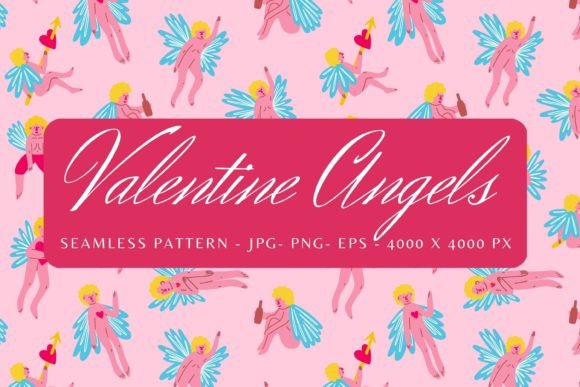
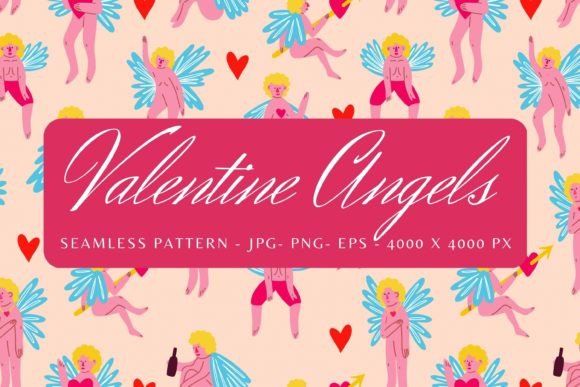
As an experienced brand designer, the first thing I noticed about Angel Pattern is its delicate yet expressive character. It carries a soft, elegant mood that immediately suggests a brand personality rooted in warmth and approachability. This pattern feels like it could belong to a boutique florist, a handmade soap business, or even a cozy bakery—businesses that value craftsmanship and emotional connection with their customers.
The design has a subtle intricacy that adds visual interest without overwhelming the viewer. It’s not too bold, nor is it overly decorative. Instead, it strikes a balance between modern minimalism and classic charm, making it suitable for a wide range of small businesses looking to enhance their branding materials.
Fitting the Right Brand Identity
Angel Pattern seems particularly well-suited for brands that want to evoke a sense of comfort, care, and quality. Whether you're designing for a skincare line, a local café, or a children's product brand, this graphic design asset can subtly reinforce your brand identity through consistent visual elements.
It would work beautifully on product labels, packaging accents, and promotional banners where a touch of elegance is needed without being overpowering. The pattern's soft lines and gentle curves suggest a more feminine or organic brand direction, which makes it ideal for handmade businesses or artisanal products.
Real-World Applications for Small Business Branding
Let’s imagine a real-world scenario where Angel Pattern is used in a practical branding project. Suppose we’re designing for a new line of handcrafted candles from a local boutique. The packaging needs to feel premium yet inviting, and Angel Pattern fits perfectly as a background element on the product label, hang tags, and thank-you cards.
This pattern could also be used in social media graphics, website banners, and promotional flyers. Its versatility allows it to blend seamlessly into both digital and print projects, ensuring a cohesive brand presence across all platforms.
When designing for a food business, such as a bakery or coffee shop, Angel Pattern can help create a warm and welcoming atmosphere. It could be used in menu graphics, price lists, or even as a decorative border on thank-you cards, reinforcing the brand’s friendly and personal touch.
Supporting Professional Brand Presentation
Using Angel Pattern in your branding efforts can significantly improve your business presentation. It helps create a stronger first impression by adding a polished and professional look to your packaging and marketing visuals. This subtle enhancement can lead to better product recognition and clearer visual hierarchy in your designs.
Consistency is key in building customer trust, and Angel Pattern can help maintain a cohesive brand identity across different materials. Whether you're creating product mockups, printable inserts, or seasonal campaign visuals, this design asset ensures your brand stands out in a positive way.
Where Angel Pattern Works Best
Angel Pattern shines when used as a subtle accent in packaging design, product labels, and hero graphics. It’s perfect for decorative brand elements, promotional banners, and social media campaign graphics. It also works well in boutique visuals, seasonal packaging, and printable design elements that need a touch of elegance without distraction.
For example, using it on a holiday-themed product package or as part of a seasonal campaign can add a festive and charming touch that resonates with customers. It’s also great for enhancing the visual appeal of product mockups and promotional ads, especially when paired with the right typography and color palette.
Where to Use with Caution
While Angel Pattern is versatile, it may not be the best choice for formal corporate branding or very small labels where intricate details might become lost. It should also be used carefully on crowded product packaging or ingredient-heavy layouts, where it might compete with important text.
Additionally, it may not suit luxury minimalist brands that prefer clean, unadorned aesthetics. In these cases, it's better to test Angel Pattern on low-contrast backgrounds and ensure it complements rather than distracts from the main message.
Practical Brand Designer Notes
Before finalizing Angel Pattern for any client work, I recommend testing it on real packaging mockups to see how it looks in context. Check its black and white usage to ensure it still conveys the intended mood without color. Preview it on small labels to confirm it remains legible and visually appealing at scale.
Test it with your brand colors, compare it with competitor packaging, and review its print quality. If using SVG or PNG formats, inspect the transparency and vector editability. Also, consider how it interacts with different font styles—serif, sans serif, script, handwritten, or display fonts—to ensure it complements your overall design.
Finally, always confirm commercial licensing before using it for client work, business branding, or physical product sales. Ensuring proper rights is crucial for any professional branding project.
Conclusion: A Thoughtful Addition to Your Design Toolkit
Angel Pattern is a valuable graphic design asset that can elevate the visual presentation of your small business branding. Whether you're working on product packaging, promotional visuals, or social media content, this pattern brings a touch of elegance and warmth that can resonate deeply with your audience.
By thoughtfully integrating Angel Pattern into your brand identity, you can create more professional, emotionally engaging, and visually cohesive marketing materials that support your local business growth and customer connection.