Skeleton Graphics for Modern Design Projects
As a graphic designer who regularly works on branding, packaging, and social media visuals, I’ve tested numerous design assets over the years. Recently, I came across Skeleton, a set of seamless patterns that immediately caught my attention. It’s not just about the files included—it's about how they can be used in real-world projects. Let me walk you through what I discovered.
A First Impression: Mood and Style
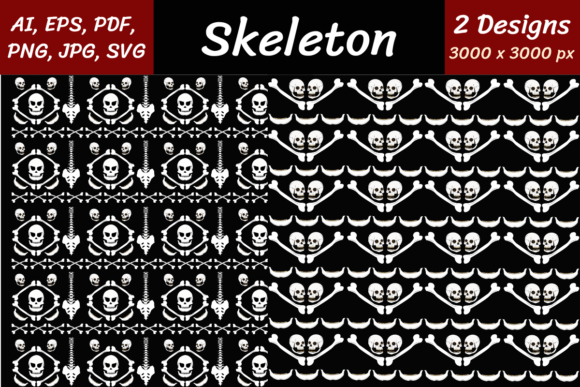
The first thing I noticed about Skeleton is its visual tone. The patterns have a subtle, almost eerie vibe that feels both mysterious and artistic. This makes it ideal for creative design work that leans into themes like Halloween, horror, or gothic-inspired branding. The style is clean but has enough texture to add depth without overwhelming the viewer.
This kind of mood is perfect for small businesses or handmade brands looking to stand out with a unique visual identity. Whether it’s a boutique product line or an Etsy shop, Skeleton offers a consistent look that can be adapted to various formats—from t-shirt designs to product mockups.
Real-World Application: Where Skeleton Shines
Skeleton isn’t just a decorative element; it can be a powerful tool in building brand identity. In logo design, for instance, using this pattern as a background or accent can help reinforce the theme of the brand. For packaging design, it adds a layer of intrigue that could elevate a simple product into something more memorable.
I tested it in several scenarios. On posters and flyers, the pattern worked well as a backdrop for bold text, adding a touch of sophistication. When applied to stickers or merchandise, such as mugs or tote bags, it brought a cohesive feel to the overall design. Even in digital spaces like website graphics or blog visuals, Skeleton provided a strong visual anchor without being distracting.
For social media graphics, especially Instagram posts or Pinterest pins, the pattern added a subtle yet effective visual interest. It was particularly useful in Canva templates where quick customization is needed, making it a great option for content creators and marketers.
Best Use Cases for Skeleton
Skeleton performs best in large layout areas, hero graphics, and product mockups. Its seamless nature makes it ideal for wrapping around shapes or filling backgrounds without visible seams. It also works well as a decorative accent in themed collections or campaign visuals, helping to maintain a consistent aesthetic throughout a project.
In print-on-demand and Cricut projects, the PNG transparency feature is a big plus. It allows for precise placement of the pattern without worrying about unwanted edges. For digital sellers or small business owners, this means more flexibility when creating printable wall art or sticker designs.
Cautions and Considerations
While Skeleton is versatile, there are situations where it should be used carefully. In small sizes, the details may get lost, which can affect readability and visual clarity. Crowded layouts or complex backgrounds might also make the pattern feel cluttered rather than elegant.
Designers should check contrast on both light and dark backgrounds to ensure the pattern doesn’t overpower the content. It’s also important to test it at different sizes—especially if it will be used in a minimalist branding context or for professional corporate materials where a very clean visual hierarchy is required.
Design Notes: What to Check Before Using
Before incorporating Skeleton into a client project, I recommend testing it in black and white to see how it holds up without color. Previewing it on real mockups helps understand how it behaves in physical prints versus digital screens.
Checking the file formats is crucial. The inclusion of AI, EPS, SVG, and PNG transparent files provides flexibility, especially for those who need vector editability or high-quality prints. If you're planning to use it for sublimation design or commercial print, confirming the commercial license is essential.
It’s also worth comparing it with different font styles—serif, sans serif, script, handwritten, and display fonts—to ensure it complements the typography rather than competing with it. This is especially important in editorial design or web design where readability is key.
Final Thoughts: A Useful Creative Asset
Skeleton is a solid addition to any designer’s toolkit. It brings a unique visual element that can enhance branding, marketing visuals, and even editorial design. While it may not be suitable for every project, it certainly has a place in modern design when used thoughtfully.
Whether you're working on a handmade business, small business branding, or a creative marketplace product, Skeleton can help create a polished, professional look. Just remember to test it thoroughly and consider how it fits within your overall design strategy.