Cat Embroidery Design Review
A First Glance at the Cat Design
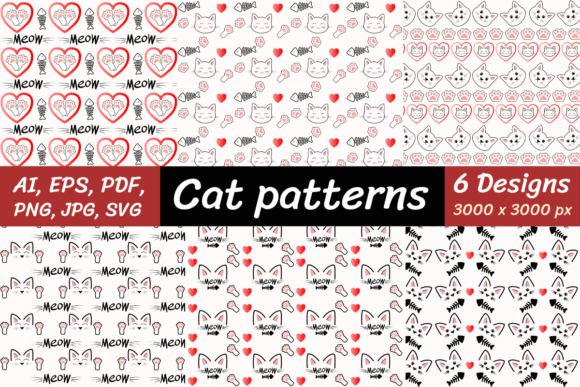
Opening the Cat digital papers, I was immediately drawn to the playful yet elegant mood it creates. The design feels like a gentle whisper of whimsy—perfect for those looking to add a touch of charm without overwhelming the fabric. The cat motif is stylized with smooth curves and delicate details that suggest a soft, approachable personality. It’s not overly intricate, which makes it versatile for various embroidery applications.
The shape and layout are balanced, with enough definition to stand out on different fabrics but not so much that it becomes distracting. This design naturally belongs in projects where subtlety and grace are key, such as baby items or boutique branding. The visual personality of Cat feels like it could easily be part of a collection, rather than a standalone piece.
Putting Cat to Work: Real-Life Embroidery Scenarios
I tested Cat on a custom embroidered tote bag, a common request from clients who want something both functional and stylish. The design stitched beautifully on cotton canvas, maintaining its clarity and charm even after washing. The seamless patterns included in the Cat digital papers made it easy to repeat the design across larger surfaces without visible seams.
For custom apparel, like sweatshirts and t-shirts, Cat worked well as an applique design using satin stitch around the outline and fill stitch inside. It added a nice pop of character without overpowering the garment. On darker fabrics, I used white thread to ensure visibility, and it looked great.
When applied to baby clothes or nursery decor, Cat brought a sense of warmth and innocence. The design didn’t feel too busy for young children’s items, and the soft lines were perfect for a calming effect. For holiday gifts, adding Cat to a pillow cover or kitchen towel created a friendly, personalized touch that customers loved.
In commercial embroidery settings, such as small shop products or Etsy listings, Cat served as a reliable asset. It allowed for consistent branding across merchandise like aprons, patches, and cap designs. The variety of file formats provided, including SVG and PNG transparent, made it easy to use in printable mockups and digital product previews.
Where to Use Cat with Caution
While Cat is versatile, there are situations where extra care is needed. On small hoop sizes, the detail might get lost, especially if the design is scaled down too much. For textured fabrics or thin fabric, using a proper stabilizer is essential to prevent puckering.
When working with stretchy fabric like knits or curved surfaces like caps, testing the design on scrap fabric first is crucial. Dense stitch areas may require adjusting stitch density to avoid stiffness. Also, when using dark fabric backgrounds, checking thread colors for contrast is important to maintain visibility.
For layered garments or products that need frequent washing, reinforcing the back of the design with a stabilizer can help preserve the look over time. Tiny lettering or detailed corners should be reviewed closely during the test phase to ensure they stitch cleanly.
Design Impact and Practical Considerations
Cat significantly enhances the visual appeal of any project it’s applied to. Its presence adds a layer of personality that can elevate the product value and increase customer trust. For handmade products or personalized gifts, this design helps create a more polished and professional finish, which is essential for brand consistency and buyer engagement.
As a craft business owner, I found that incorporating Cat into my inventory boosted giftability and recognition among clients. It also helped streamline commercial embroidery projects by providing a ready-to-use embroidery file that required minimal adjustments.
Before using Cat in your own work, consider these practical designer notes:
- Test the design on scrap fabric before committing to a final project.
- Check thread color contrast against your fabric choice.
- Review stitch density to avoid stiffness or distortion.
- Confirm hoop size based on the design’s dimensions.
- Inspect small details for clarity when scaled down.
- Test in black and white mockups to see how it looks on different backgrounds.
- Use proper stabilizer for textured or stretchy fabrics.
- Check whether the design works for both personal and commercial use.
- Confirm licensing before selling finished items or digital products.
Cat is a solid addition to any embroidery project, offering a blend of charm and functionality. Whether you're creating custom apparel, handmade products, or small shop merchandise, this design has the potential to enhance your work while appealing to a wide audience. Just remember to take the time to test and adjust for your specific needs, ensuring the best possible outcome for your finished product.