Lemon Embroidery Design Review
As a designer who's spent years working with embroidery files and crafting custom designs for handmade products, I've come across many machine embroidery designs. The Lemon pattern caught my eye not just for its visual appeal but also for the variety of file formats it offers—ai, eps, pdf, svg, png, and jpeg. This review is from the perspective of someone who needs to know if this design will work well in real projects, from custom apparel to boutique branding.
A Fresh Twist on a Classic Theme
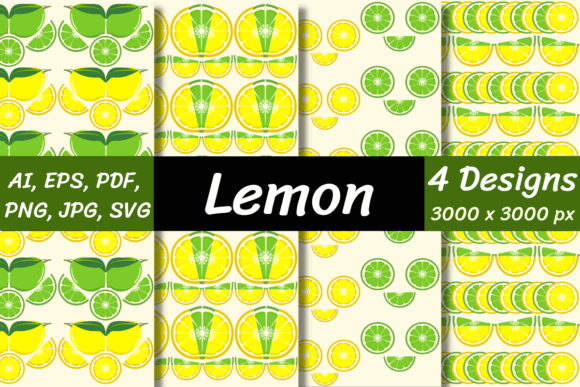
The first thing that stands out about Lemon is its clean, minimalist approach to a familiar subject. The shape feels both playful and elegant, making it versatile for a range of embroidery projects. It's designed with a level of detail that doesn't overwhelm, which is perfect for those looking to add a subtle touch of personality without overcomplicating their finished product.
This design has a bright, cheerful mood that naturally fits into items like tote bags, baby clothes, or holiday gifts. The layout is simple yet effective, allowing it to be used as an applique design or integrated into more complex patterns. Its visual personality makes it ideal for handmade products that aim to feel both personal and professional.
How Lemon Performs in Real Projects
I recently tested Lemon on a custom embroidered tote bag for a small shop. The result was impressive—the design stitched cleanly and held up well under different fabric textures. It worked especially well on medium-weight cotton, but I found that using a proper stabilizer made a big difference in how it looked on stretchy or thin fabrics.
For commercial embroidery projects, Lemon can be a great asset. It’s suitable for sweatshirts, t-shirts, and even caps, though I recommend checking the hoop size before committing. The stitch density is moderate, which means it won’t create too much bulk, but it still provides enough definition to stand out on dark or light backgrounds alike.
When it comes to baby embroidery or personalized gifts, Lemon brings a sense of warmth and charm. It pairs beautifully with soft pastels or bold colors depending on the thread choices. For Etsy sellers or craft fair vendors, this design can serve as a standalone piece or part of a larger collection of digital embroidery files.
Where to Use Lemon with Caution
While Lemon is a strong design, there are a few scenarios where it might need extra attention. Small hoop sizes could be tricky because of the detail level, so testing it on scrap fabric first is always a good idea. If you're planning to use it on textured fabrics, I suggest reviewing the stitch density and adjusting it accordingly to avoid distortion.
On stretchy or thin fabrics, using the right stabilizer becomes crucial. I’ve seen cases where even the best embroidery files can look uneven if the fabric isn’t properly supported. Also, when using Lemon on curved surfaces like caps or detailed corners, it’s important to make sure the design adapts well to the contours of the item.
For those considering selling finished products or digital assets, confirming the licensing terms is essential. Always check whether the design works for both personal and commercial use before listing it on platforms like Etsy or using it in a small shop product line.
Design Notes for Embroidery Enthusiasts
If you're planning to use Lemon in your next project, here are some practical tips:
- Test the design on scrap fabric first to see how it stitches and looks in different thread colors.
- Check stitch density and adjust it based on the fabric texture and hoop size you plan to use.
- Review small details in the design to ensure they translate well after stitching.
- Test in black and white mockups to see how it looks on various fabric backgrounds.
- Use proper stabilizer to prevent shifting or puckering, especially on delicate or stretchy materials.
- Confirm licensing before selling any finished products or digital versions of the design.
Lemon is a solid choice for anyone looking to add a fresh, recognizable element to their handmade or commercial embroidery projects. Whether you're creating personalized gifts, custom apparel, or boutique branding, this design brings a unique visual appeal that can enhance the overall look of your finished product.
From my experience, Lemon is a valuable addition to any designer’s toolkit. It's not just about the aesthetics—it's about how well the design translates into something tangible, something customers will appreciate and recognize. That’s what makes it worth considering for your next embroidery project.